
Employer Overtime and Wage Issues
As an employee, you’re entitled to get paid for every hour that you work. If your employer is withholding wages or overtime pay, the Fair Labor Standards Act (FLSA) provides you with specific legal rights. Typical cases can include:
- Getting paid less than minimum wage
- Not getting paid for overtime
- Unpaid wages
- Employer threatens your job when you demand payment for overtime work
If your employer refuses to pay your wages or overtime, Quinn Law Centers can help you seek the justice that you deserve. We will work hard to represent you and ensure that your rights are protected.
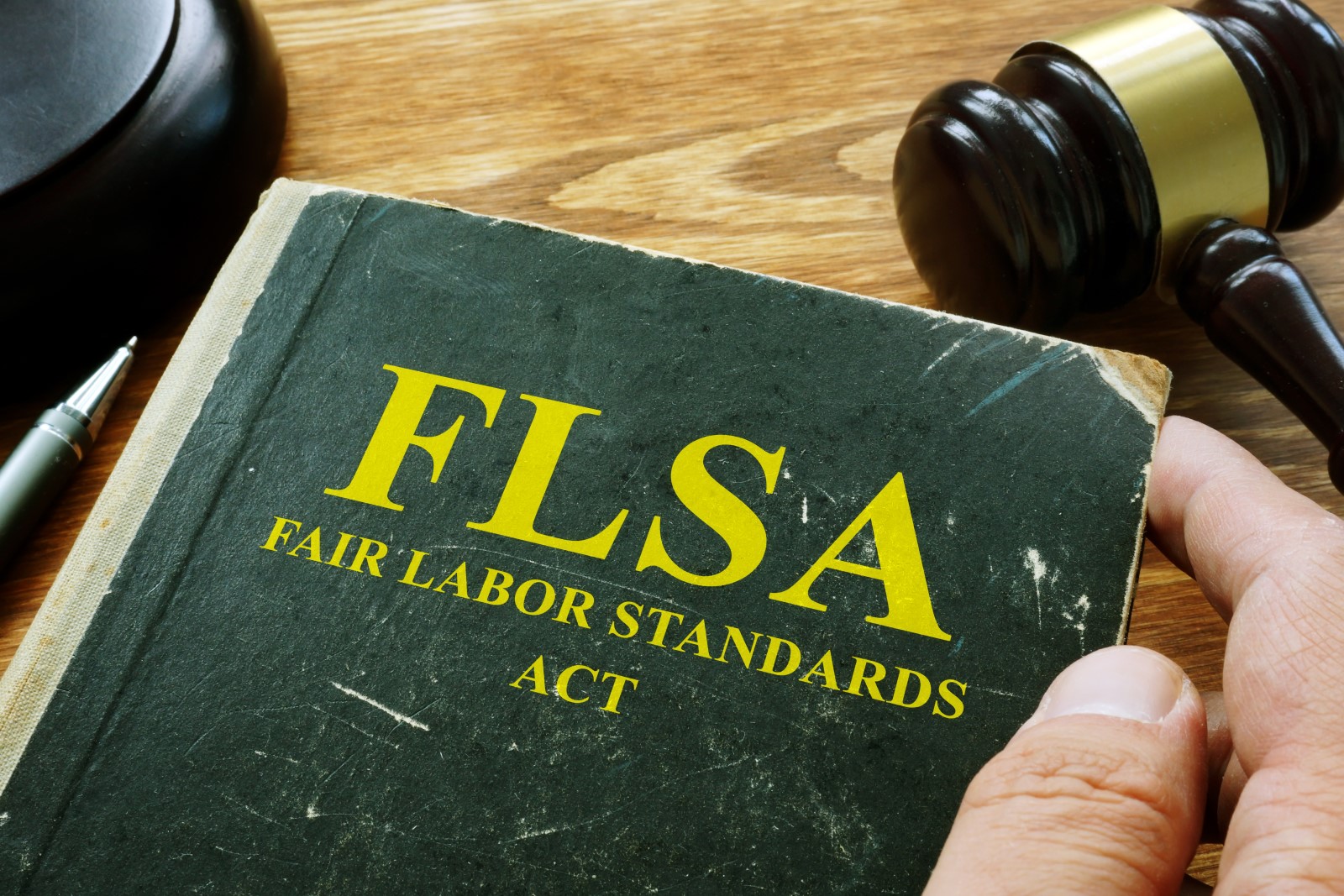
The Fair Labor Standards Act (FLSA)
The Fair Labor Standards Act covers minimum wage, overtime, hours worked, recordkeeping, and youth employment in Federal, State, and local governments. The FLSA covers:
- Employees who work for certain businesses or organizations (or “enterprises”) which have at least two employees and have an annual dollar volume of sales or business of at least $500,000.
- Hospitals and businesses that provide medical or nursing care for residents, schools, preschools, and government agencies.
What Employers Need to Know
Employers should be aware that even when there is no enterprise coverage, your employees are still protected by the FLSA if their work regularly involves them in commerce between states (“interstate commerce”). Examples include employees who:
- Produce goods (from a worker who assembles components in a factory to a secretary typing letters in an office) that will be sent out of state
- Regularly make telephone calls to persons in another state
- Handles records of interstate transactions
- Travels to other states during the course of their job
- Perform janitorial work in buildings where goods are produced for shipment outside of the state
- Domestic service workers (babysitters, housekeepers, cooks)
Employers should also be aware that for these employees, the Fair Labor Standards Act (FLSA) covers:
- Hours worked
- Recordkeeping requirements
- Youth employment standards
- Minimum wage
- Overtime pay
The FLSA affects employees in the private sector, Federal, State, and local governments.
The Overtime Rule and Changes
In March of 2019, the Department of Labor announced a new proposed overtime rule:
In addition to requiring employers to pay employees overtime if they have worked over 40 hours a week, there are overtime exemptions for certain employees under the FLSA.
These regulations provide an exemption from the FLSA’s minimum wage and overtime requirements for any employee in a bona fide “executive, administrative, or professional capacity.”
Periodically the salary threshold for highly compensated employees changes. For example, effective January 1st, 2020, the salary threshold for highly compensated employees (HCE) increased from $100,000 per year to $107,432 per year.



Minimum Wage and Changes
The federal minimum wage as of 2022 for covered nonexempt employees is $7.25 per hour. However, many states also have their own minimum wage laws. If an employee is subject to both state and federal minimum wage laws, the employee is entitled to the higher of the two.
Tips for Employers
There are a few tips to help keep employers in compliance with the FLSA:
- ✔ Review employee job descriptions and responsibilities on an annual basis.
- ✔ Ensure salaries do not fluctuate based on the number of hours worked (e.g., go down in rate with more hours worked).
- ✔ Schedule and track employee hours.
- ✔ Train employees on new changes in the law and understanding of one’s job classification.
- ✔ When in doubt, contact the Department of Labor, Wage & Hour Division for guidance. You can also see the Fact Sheets on the dol.gov website.
Overtime and Wage Resources
Exempt vs. Non-Exempt Employee
The Fair Labor Standards Act (FLSA) classifies most workers into two broad categories: exempt and non-exempt. Exempt employees will receive no overtime pay regardless of how many hours they worked, while non-exempt employees are entitled to overtime pay.
Independent Contractor vs. Employee
An employee is someone who works full-time for a single employer, and the employer mandates and exercises control over the hours worked, location of work, and work performed. The employee is also entitled to the legal protections and benefits of a W-2 employee.
An independent contractor is someone who typically operates as an independent business. They might work for multiple clients. The independent contractor will submit invoices for completed work while providing their own equipment and tools. They are also responsible for the employer and individual side of taxes.
Working Off the Clock
The term “working off the clock” applies to work performed by an employee in which their employer does not compensate for it nor count it towards the weekly work hours as overtime work.
Joint Employer Rule
A joint employer is an entity or individual who is severally and jointly liable with the employer for the employee’s wages. In April of 2019, the U.S. Department of Labor announced a proposed new rule to revise and clarify the responsibilities of employers and joint employers to employees in joint employer arrangements.
Minimum Wage in Virginia
In 2020, the Virginia General Assembly passed legislation that effective May 1st, 2021, the minimum wage in Virginia became $9.50 per hour.
401K Automatic Enrollment
401k automatic enrollment enables the employer to automatically deduct elective deferrals from an employee’s wages unless the employee elects to contribute in a different amount or not contribute at all.